Master Digital Context
Why use someone else's language when you can build your own?
"The limits of my language mean the limits of my world." — Ludwig Wittgenstein
In 2020, together with my colleague Werner Van dermeersch, we launched the Master in the Digital Context at Sint Lucas Antwerpen. We wanted to create a program that would give students the tools to design their own digital languages; building new sandboxes, "idea spaces", that were decoupled from mainstream tools, moving beyond the idea of "using" technology and instead focus on "creating" technology.
If you work in Photoshop, you think in layers, filters, and brushes — the nouns and verbs Adobe gives you. But what if you designed your own vocabulary? In the Master Digital Context, we take a tool-first approach: you don't start by writing the story, you start by imagining the language that could contain many stories. The tool is the first step in the design. It shapes everything that follows.
Since 2025, I'm collaborating with my colleague Imane Benyecif, and together we continue to evolve the program, keeping up to date with digital media in all its forms.
The best way to show what this means is through the work of our students.
Student Projects
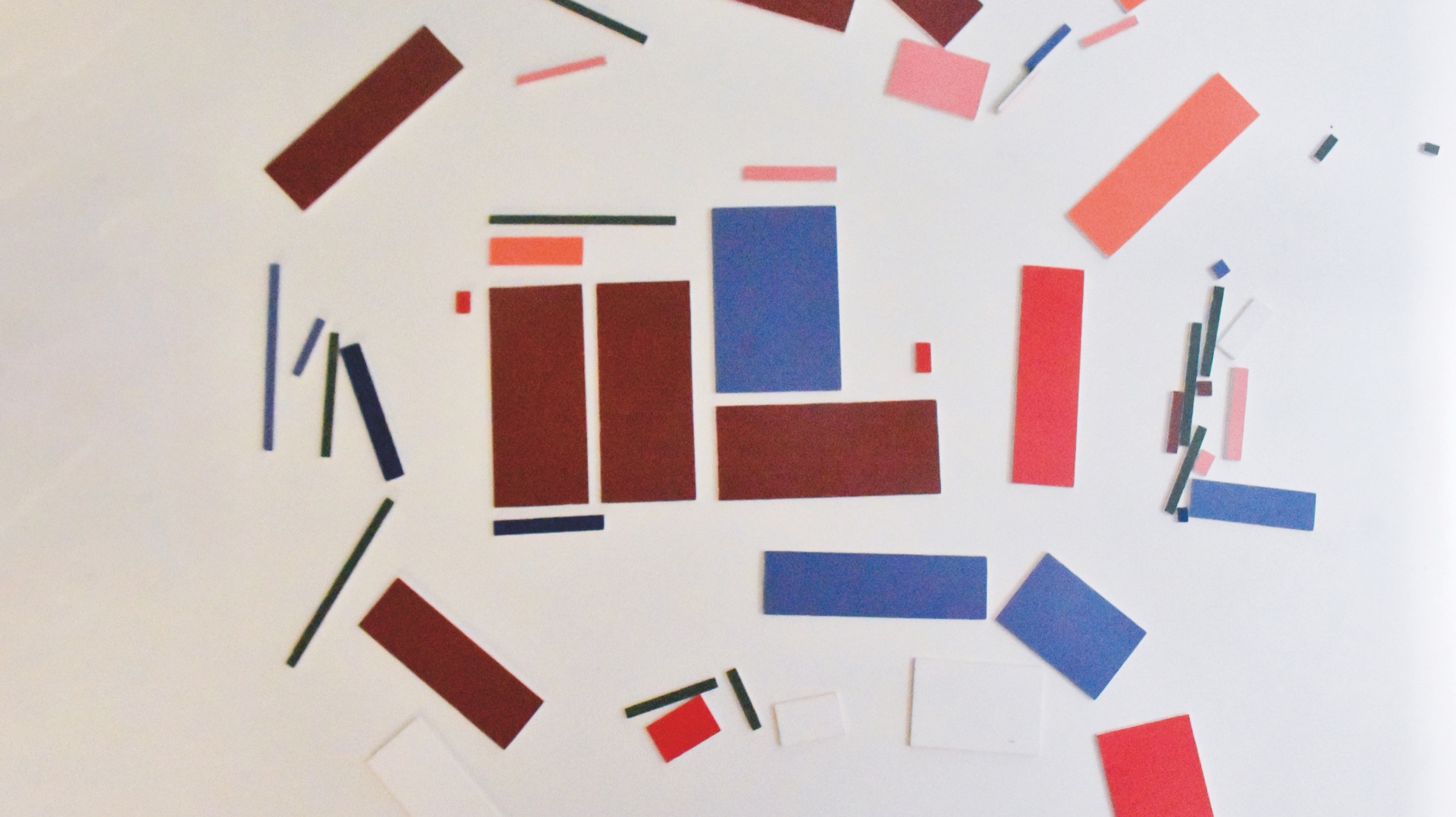
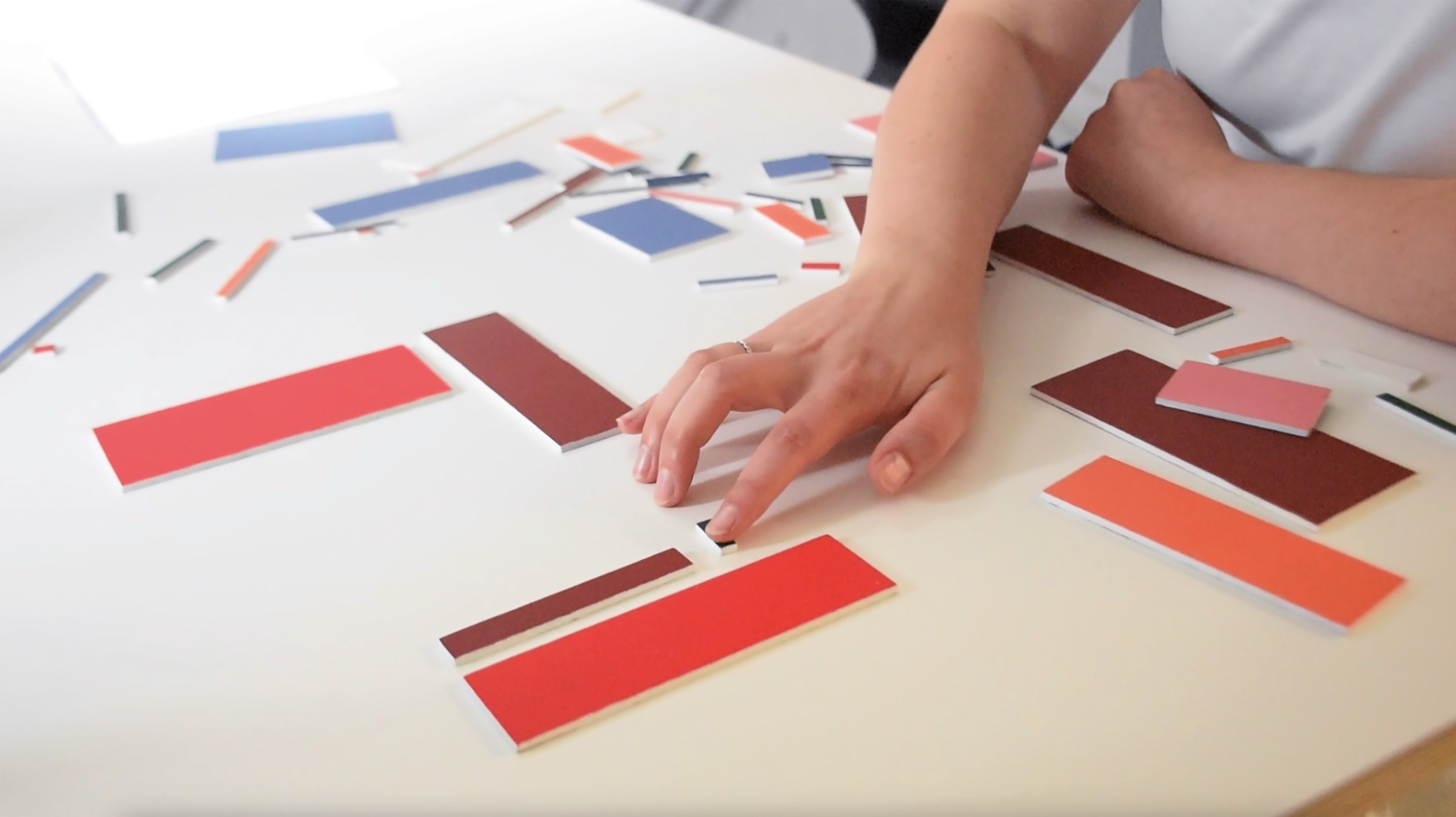
Reimagine Book Design — Kika Lathouwers (2025)
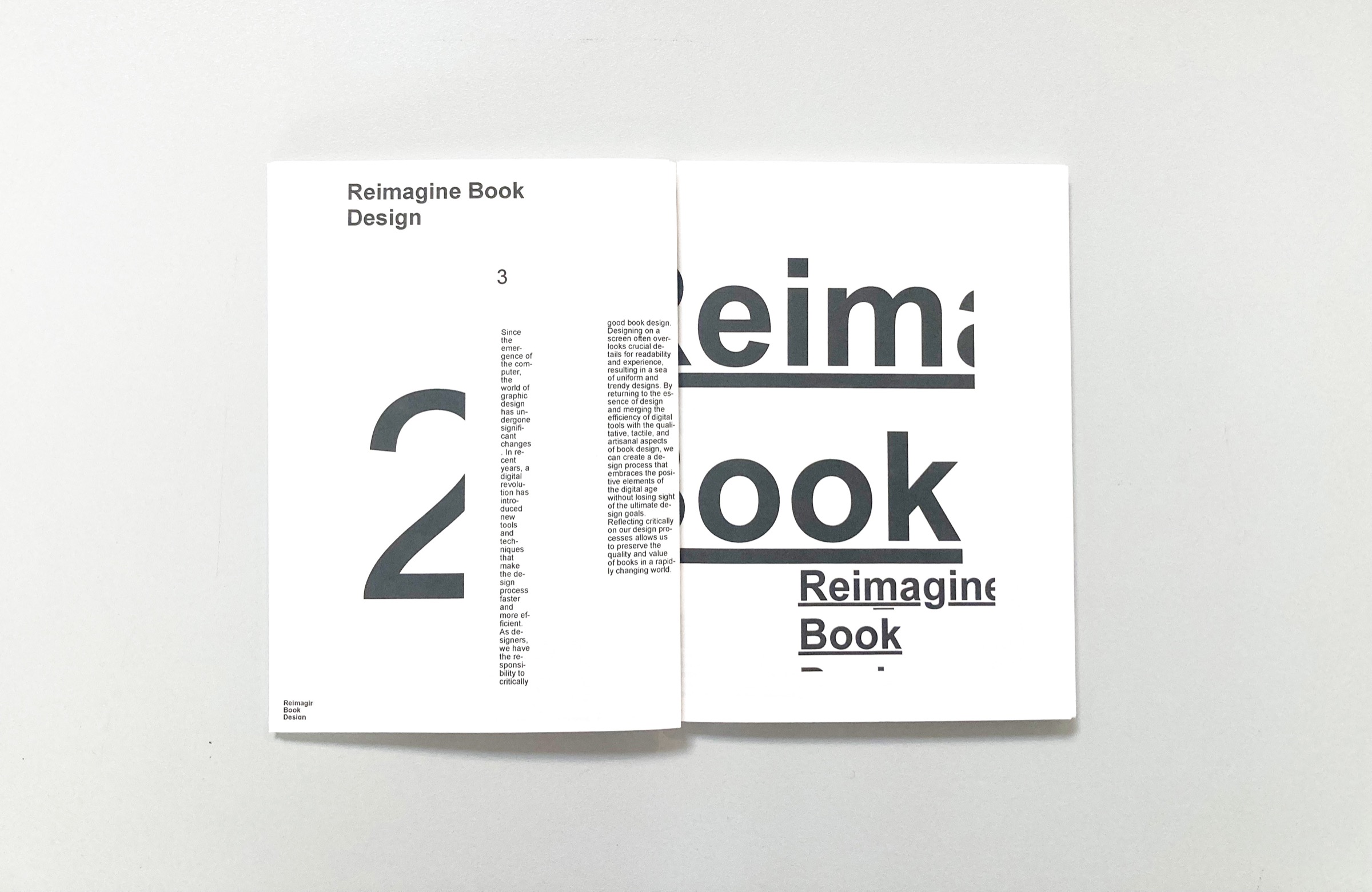
Kika built her own design tool to challenge the conventions of book design. Rather than accepting the defaults of existing layout software, she created a system that generates compositions from a set of rules — rules she designed herself. The result is a series of books where typography, color, and layout are in constant dialogue.
Biosphere — Jan S'heeren (2025)
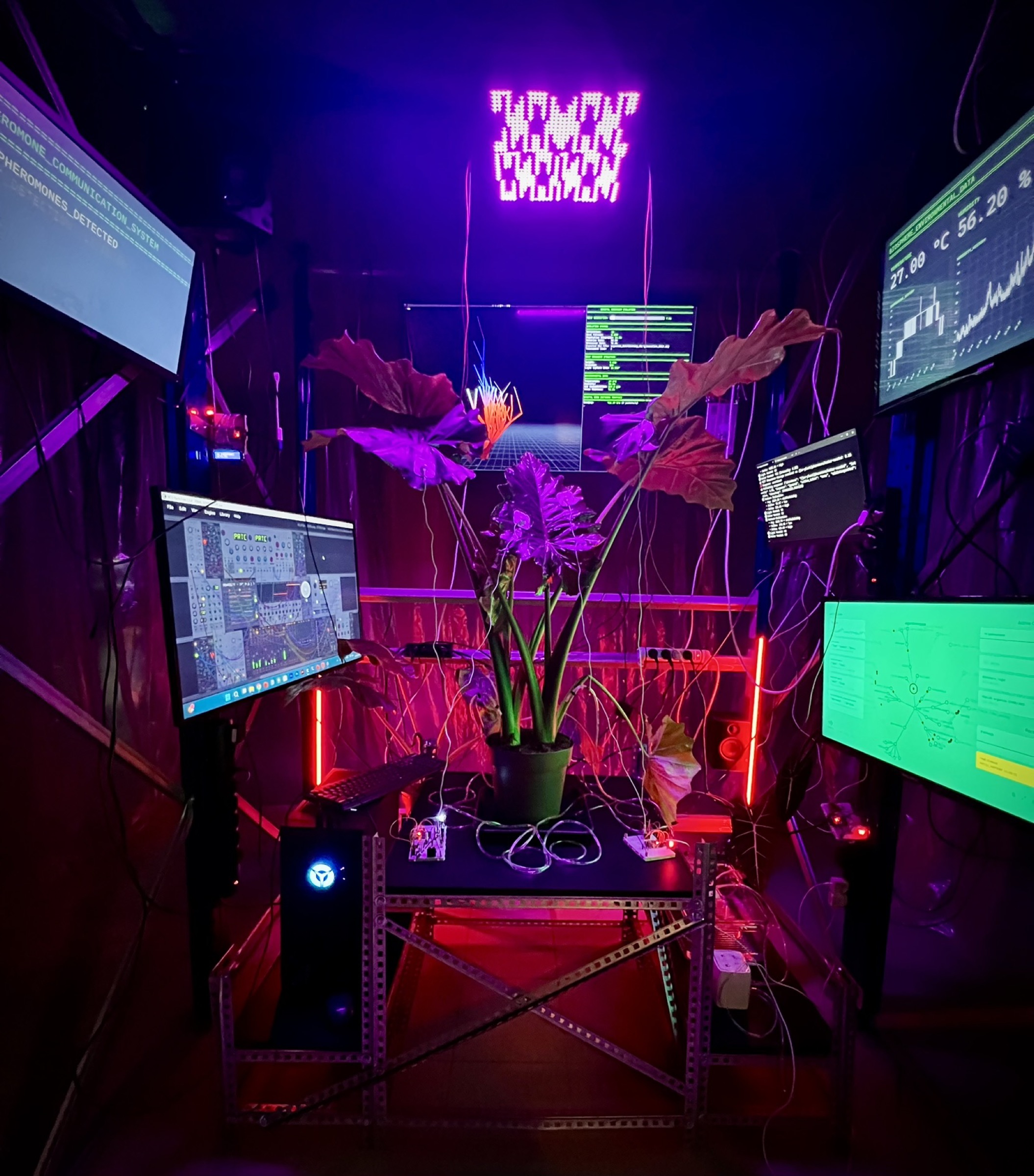
Coming back from a trip to the Amazon, Jan was fascinated by the biosphere and decided to explore it through hybrid environments. He built a system that measures the life cycle of a plant — how much water it needs, how it "feels" — and uses that data to drive other parts of the installation. The plant can even water itself by sending signals to an internet-connected pump.
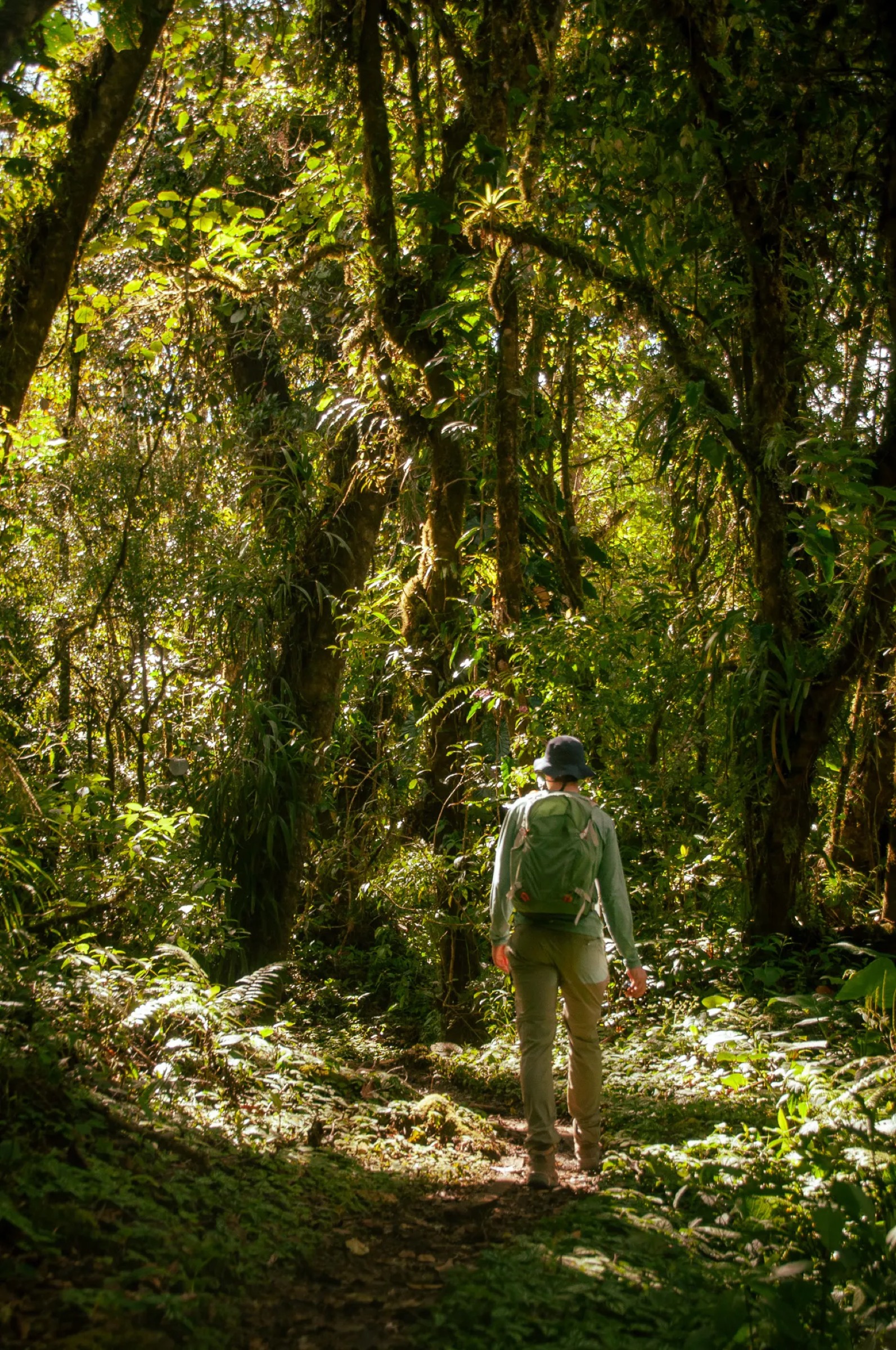
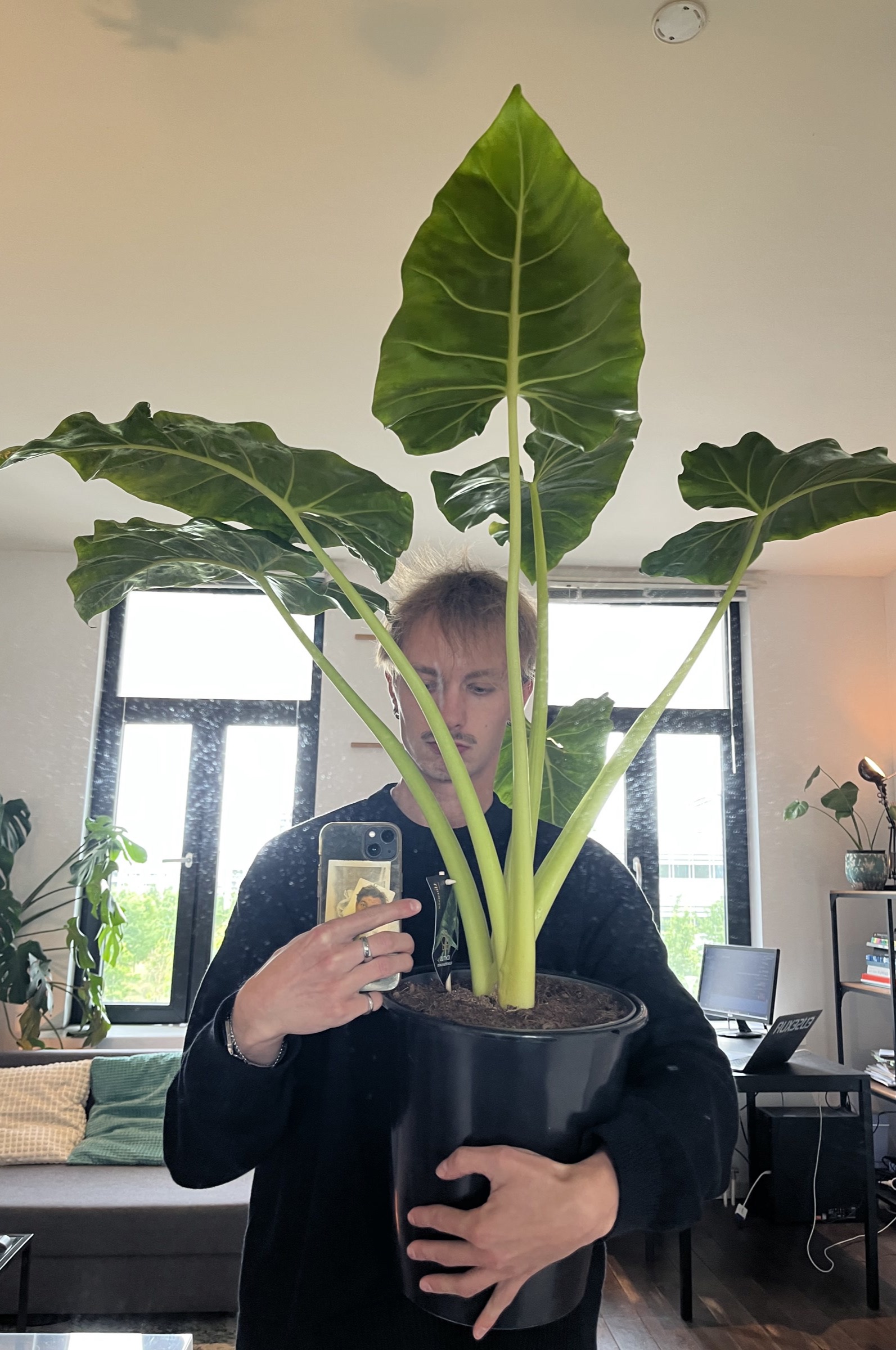
The physical plant stands in connection with a virtual plant, created in Houdini 3D software, that uses genetic algorithms to create better future generations — mutated by the conditions of the real plant. The result is a hybrid bio/cybersphere where plants and machines live together, providing for and nurturing each other.
YOU — Laura Maebe (2023)
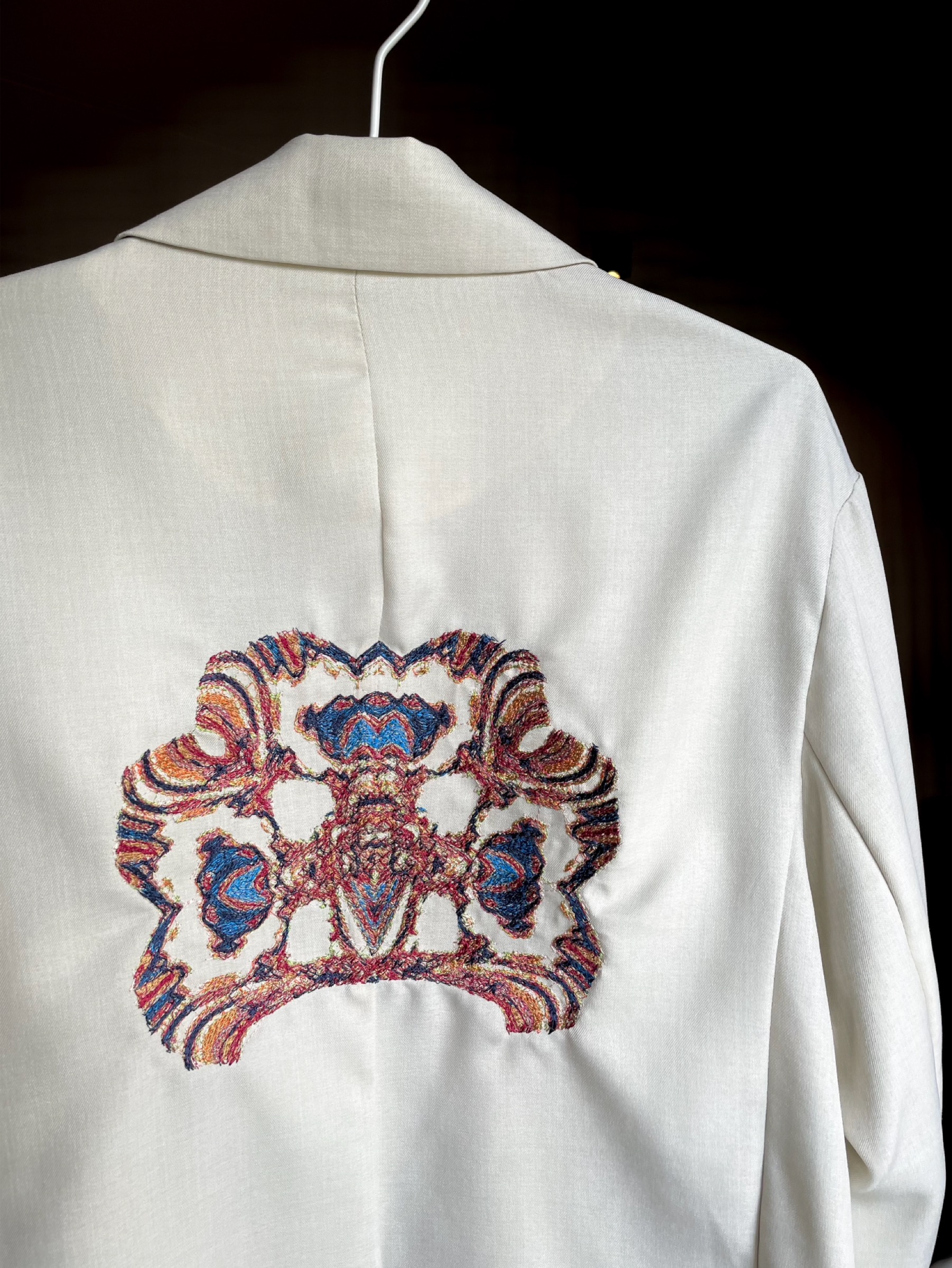
Students in the Master Digital Context look at technology critically. Technology can help us create more efficient shopping systems, but in doing so it also enables fast fashion — cheap clothing thrown away within months. Laura asked: what if we made slow fashion instead? What if we didn't follow fast trends, but created our own, based on things we actually like?
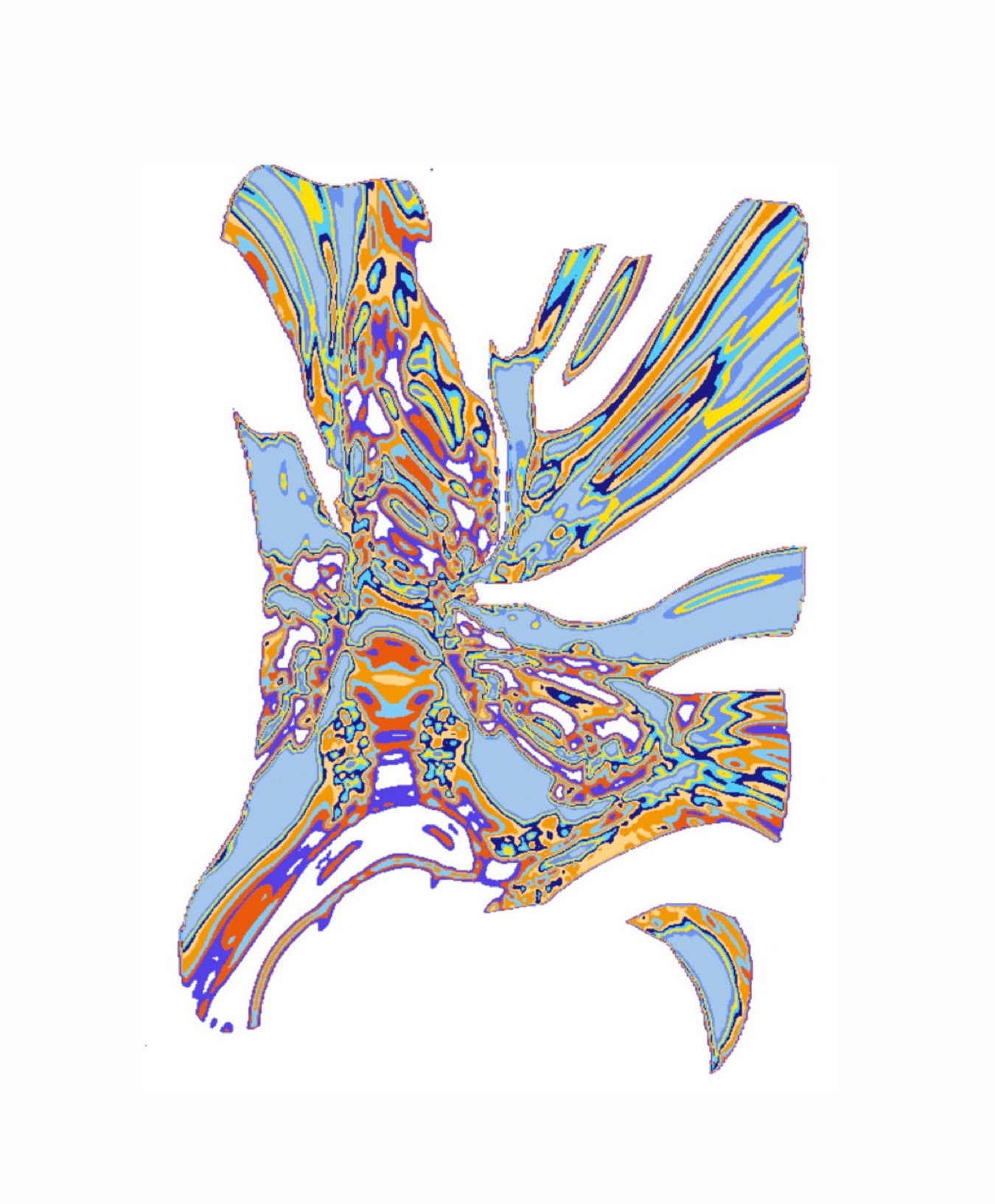
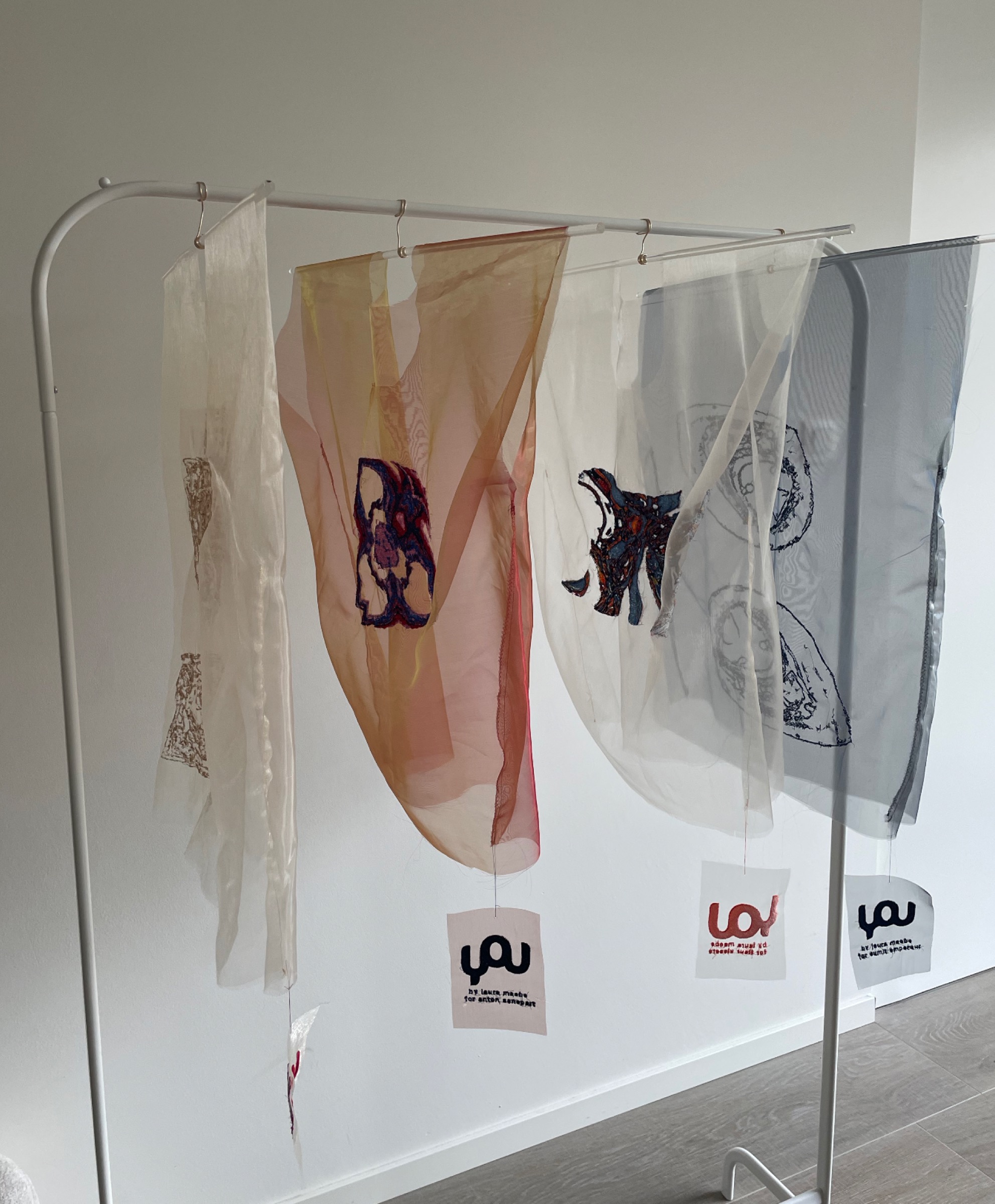
Laura created YOU, a fashion-on-demand brand. On the website, you take a personality test that determines your preferences and generates a design — a combination of Laura's style and your personality. You can then adjust the design yourself, creating something completely unique. The design is embroidered onto a garment of your choice: t-shirts, jackets, veils, shawls. These one-of-a-kind pieces are far more valuable than mass-produced clothing — nobody else has them, and they never go out of style.
Replica of a Replica — Madina Mahomedova (2025)
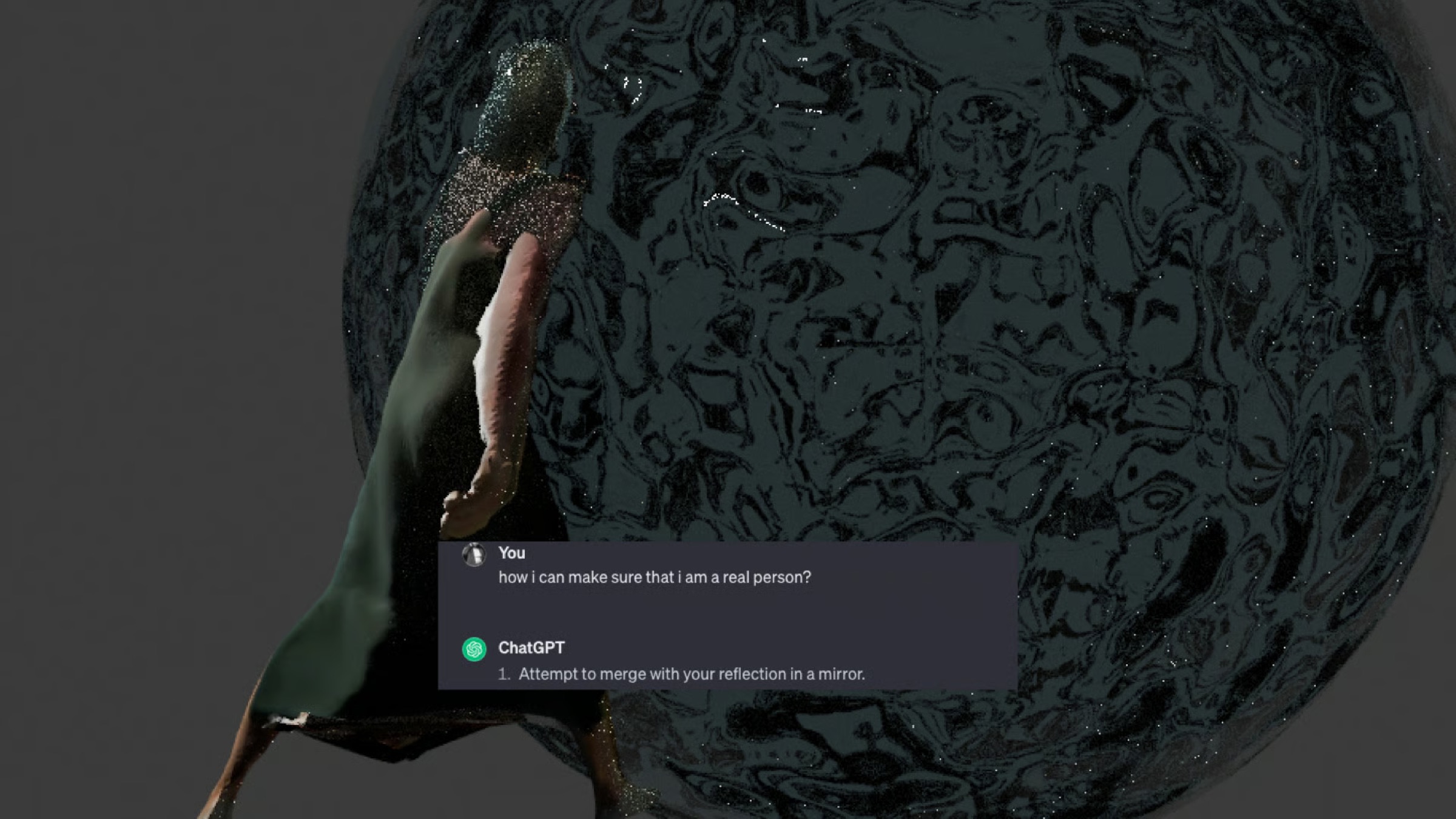
Madina's project explores the dissolving boundary between our "real" self and our "virtual" self. What parts of us are still real? What parts are so deeply embedded in cyberspace that we can't even distinguish them ourselves? AIs are too often mirrors of what we want to become.
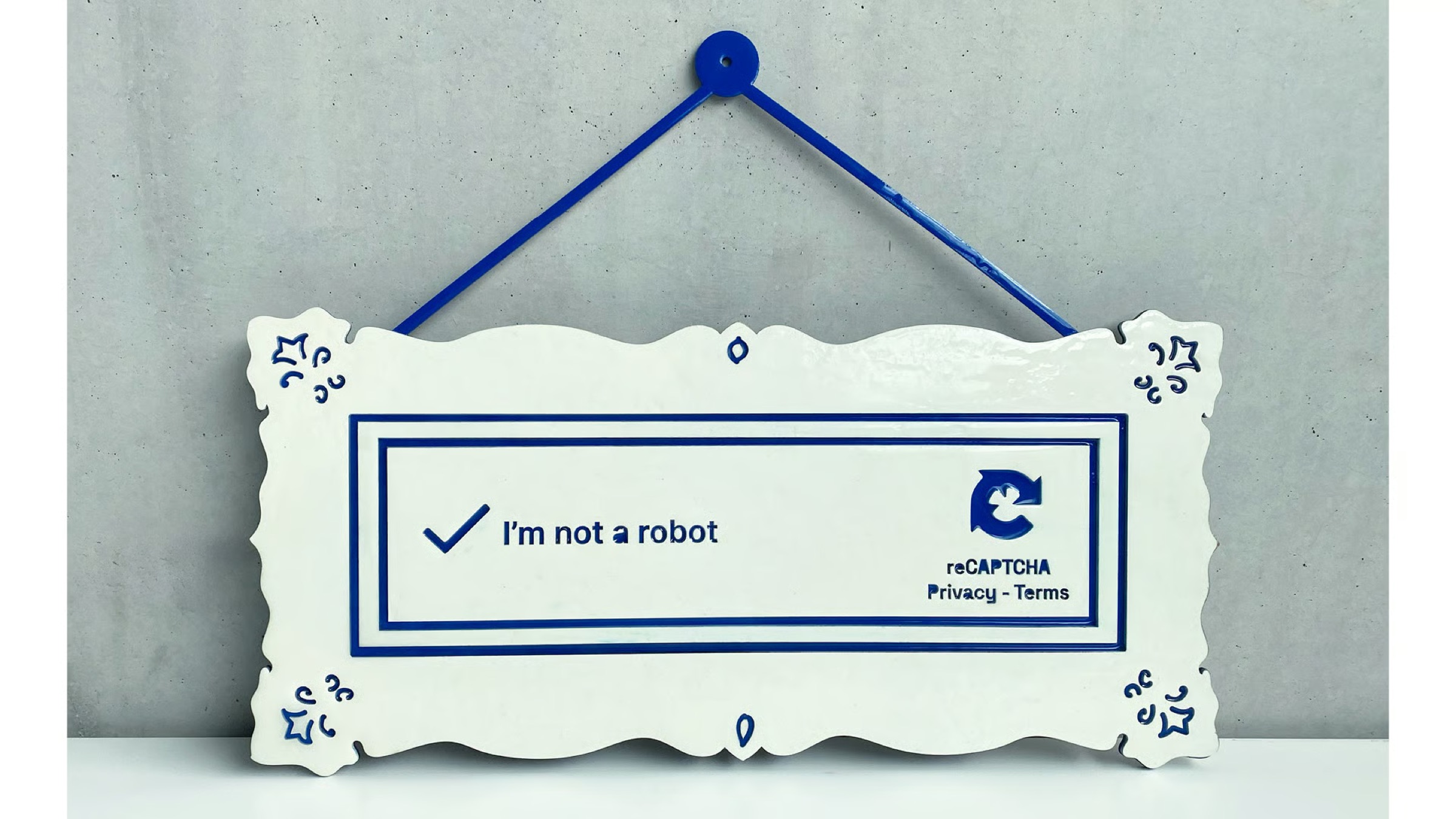
For this project, Madina built Cybershibari: a custom interactive AI. This is not a traditional image generation system where you type a prompt and wait. It was trained from scratch, with performers in the performative space at Sint Lucas using traditional Japanese bondage techniques — but with electrical network cables instead of rope.
How We Work
The master project — the core of your master's — consists of workshops and personal coaching.
Workshops
The first semester focuses on giving you enough knowledge about the digital medium to provide grounding for the rest of the year. We work through layers of abstraction, from hardware to software, from networks to AI.
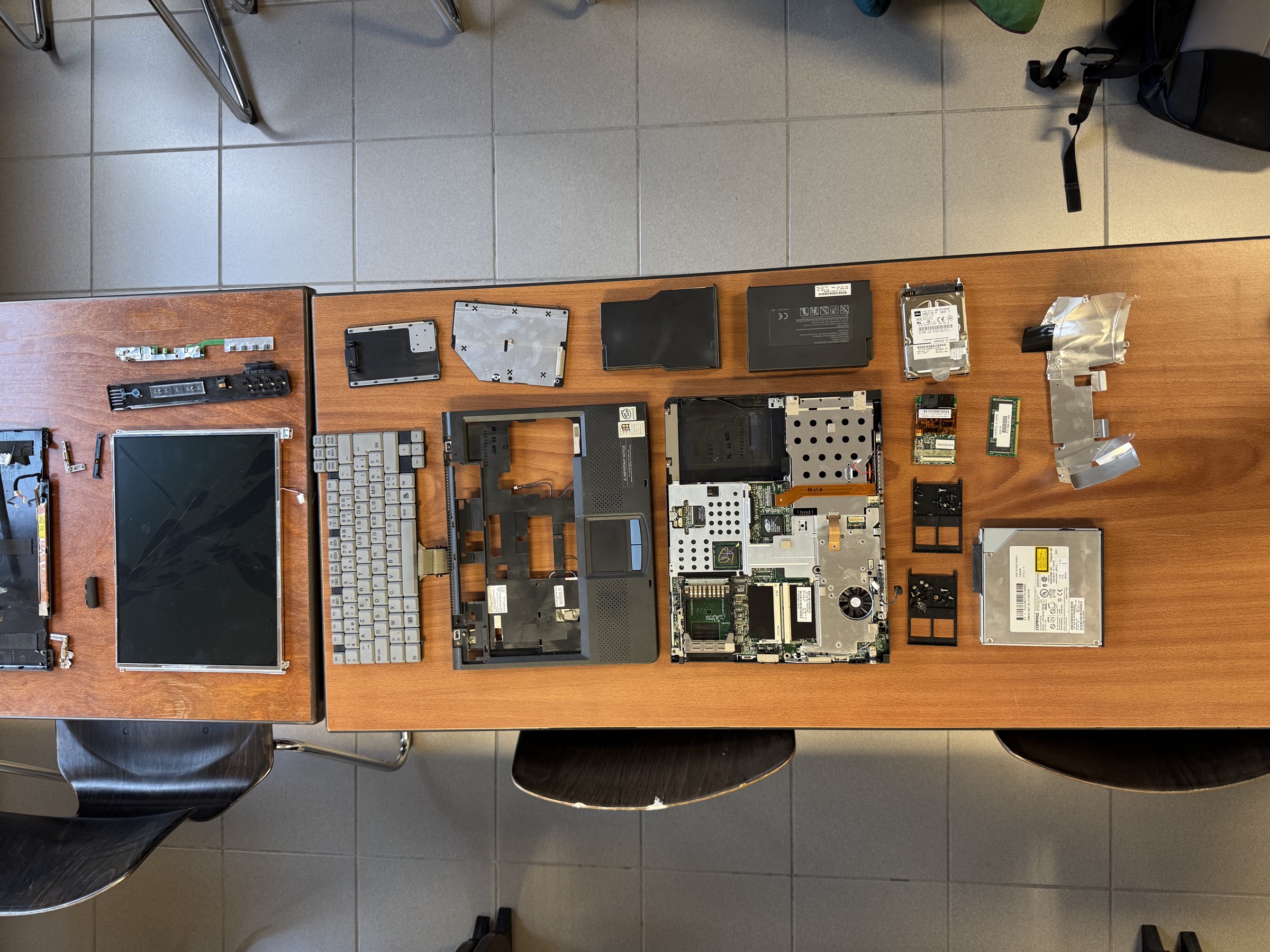
E-waste workshop — Together with the Recuperatheek, we strip down discarded electronics to understand what's inside. Students recover, repair, and repurpose materials destined for the trash.
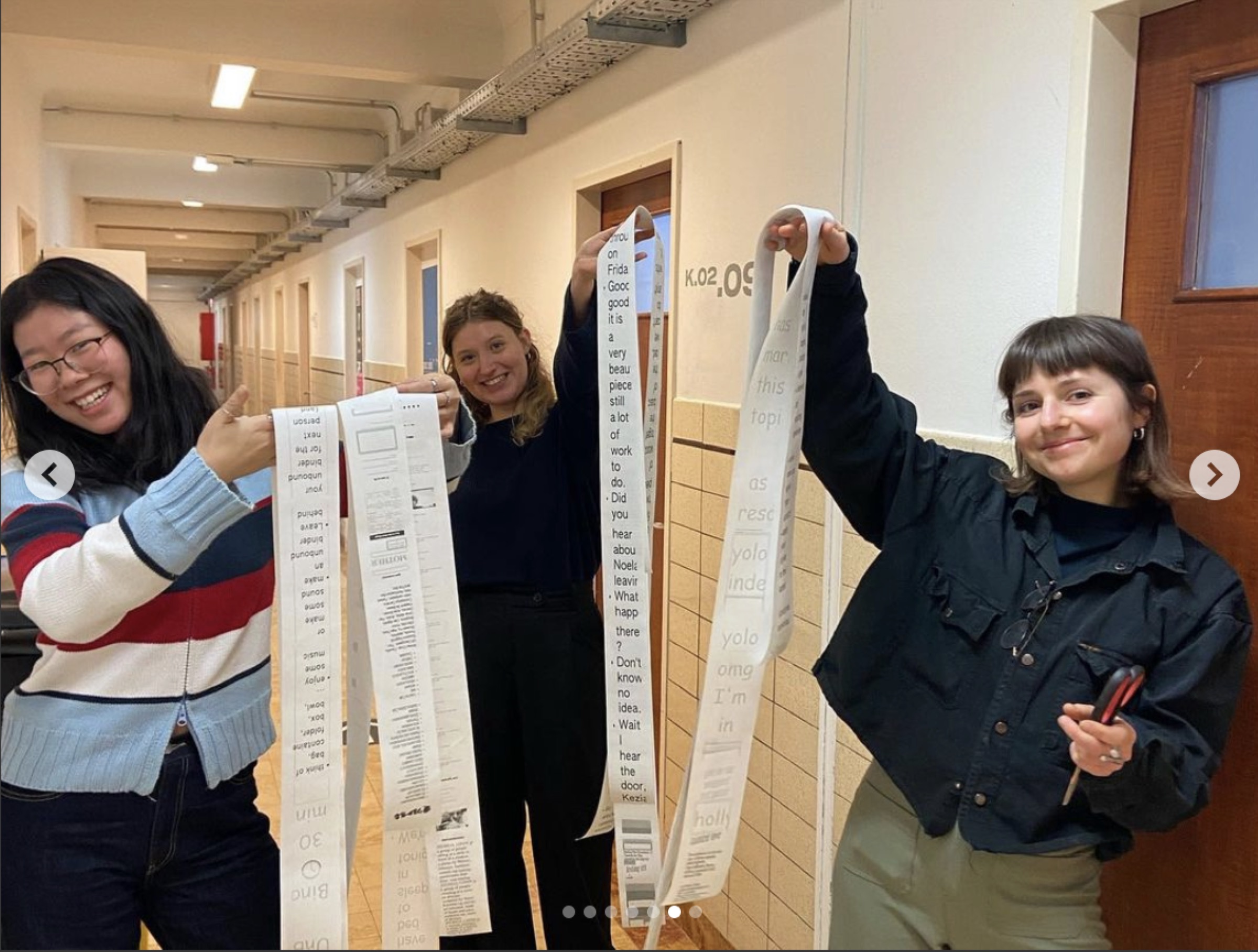
Zine workshop — A collaborative zine workshop with Hackers & Designers. Using a custom chat application, students co-created a zine printed on thermal paper.
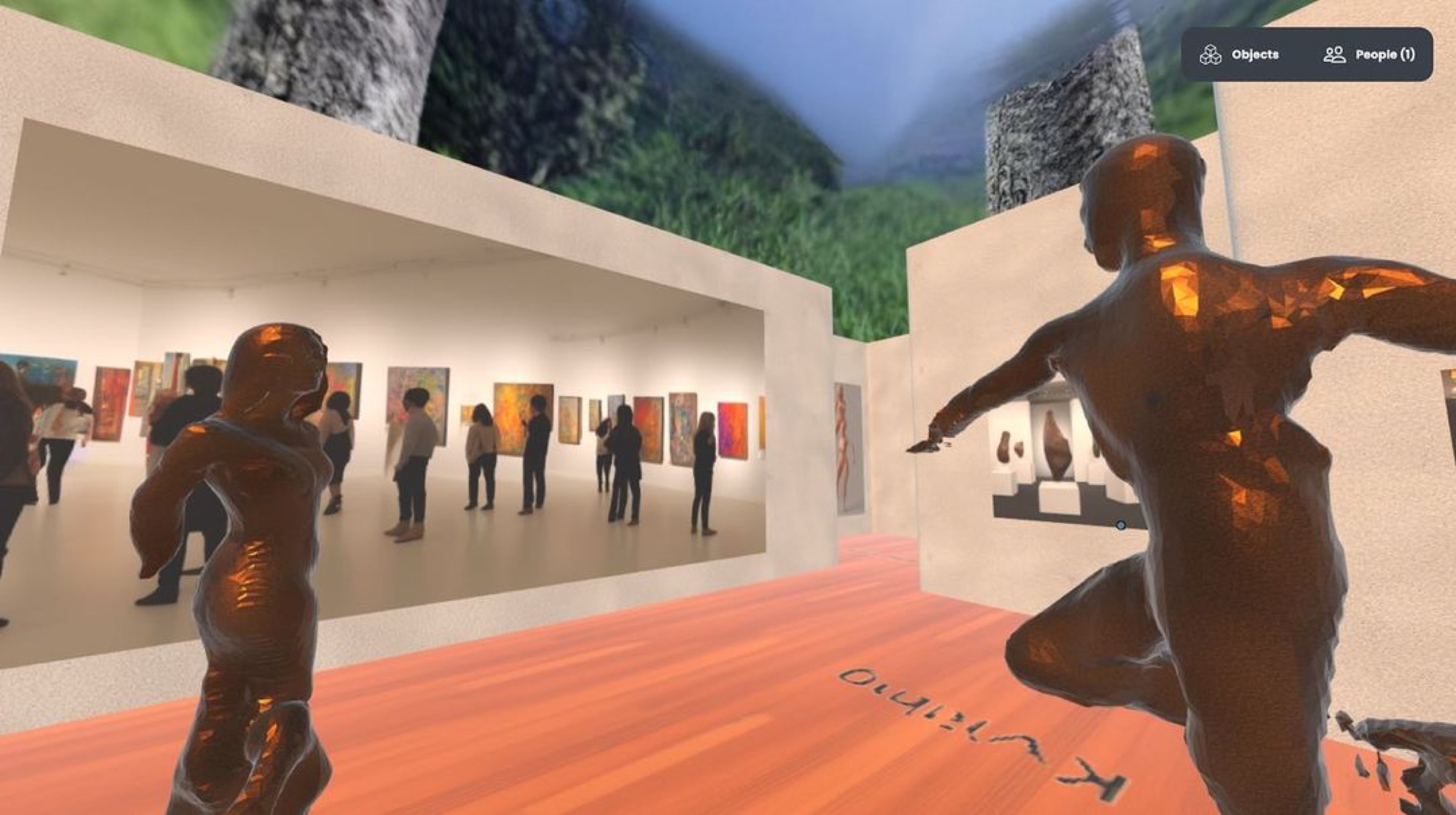
AI museum workshop — Students used Stable Diffusion to generate an entire museum filled with AI-generated artworks. Even the layout of the museum itself was AI-generated.
Personal Coaching
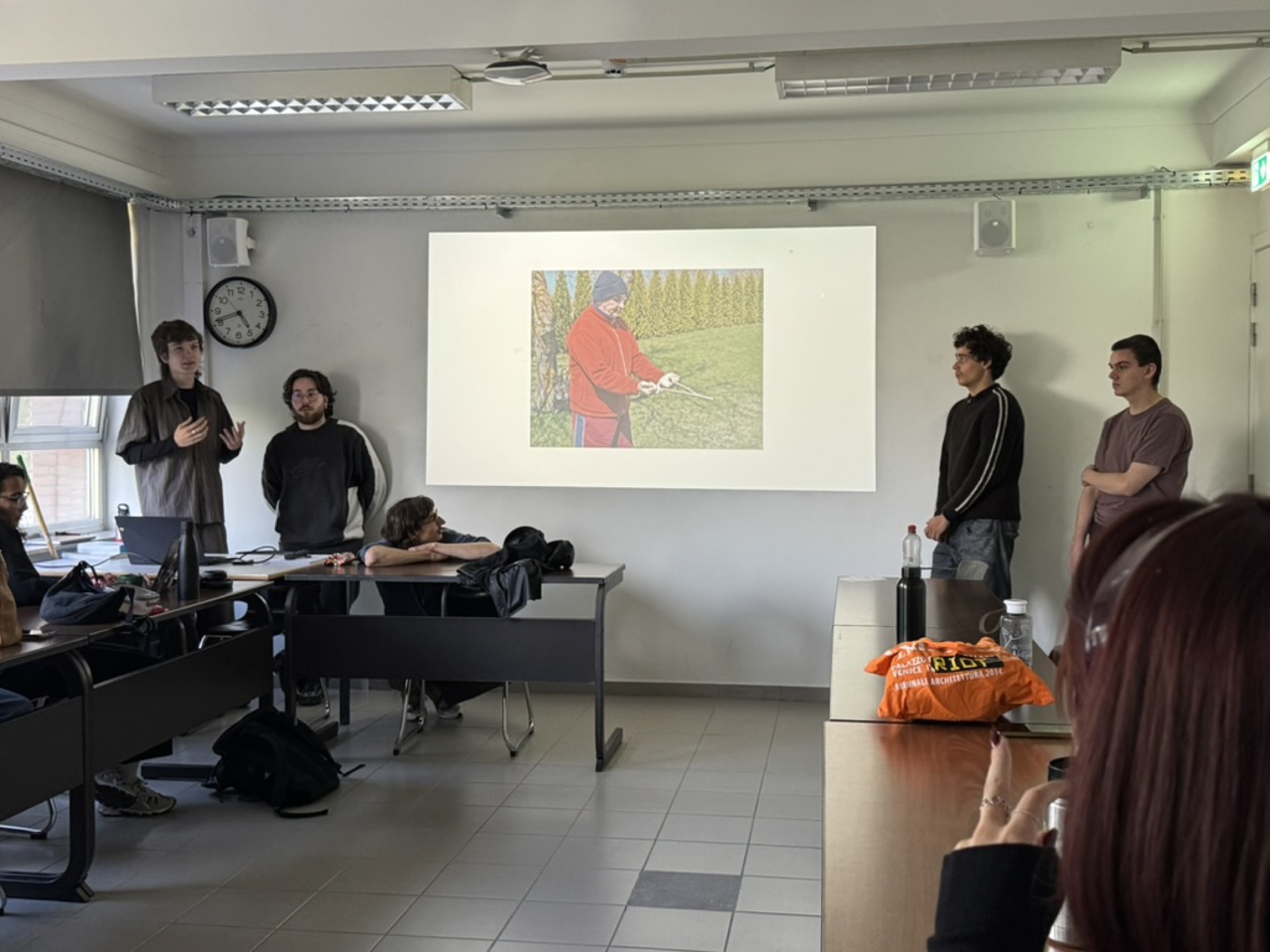
We organize personal coaching moments in different formats: individual sessions, small groups, or the entire class. Our goal is to provide enough personal guidance while also making sure you know what other students are working on — so you can learn from your peers.
The plenum and jury follow the same structure, with transparent criteria so you're never caught off guard.
Resources
Digital Arts Archive
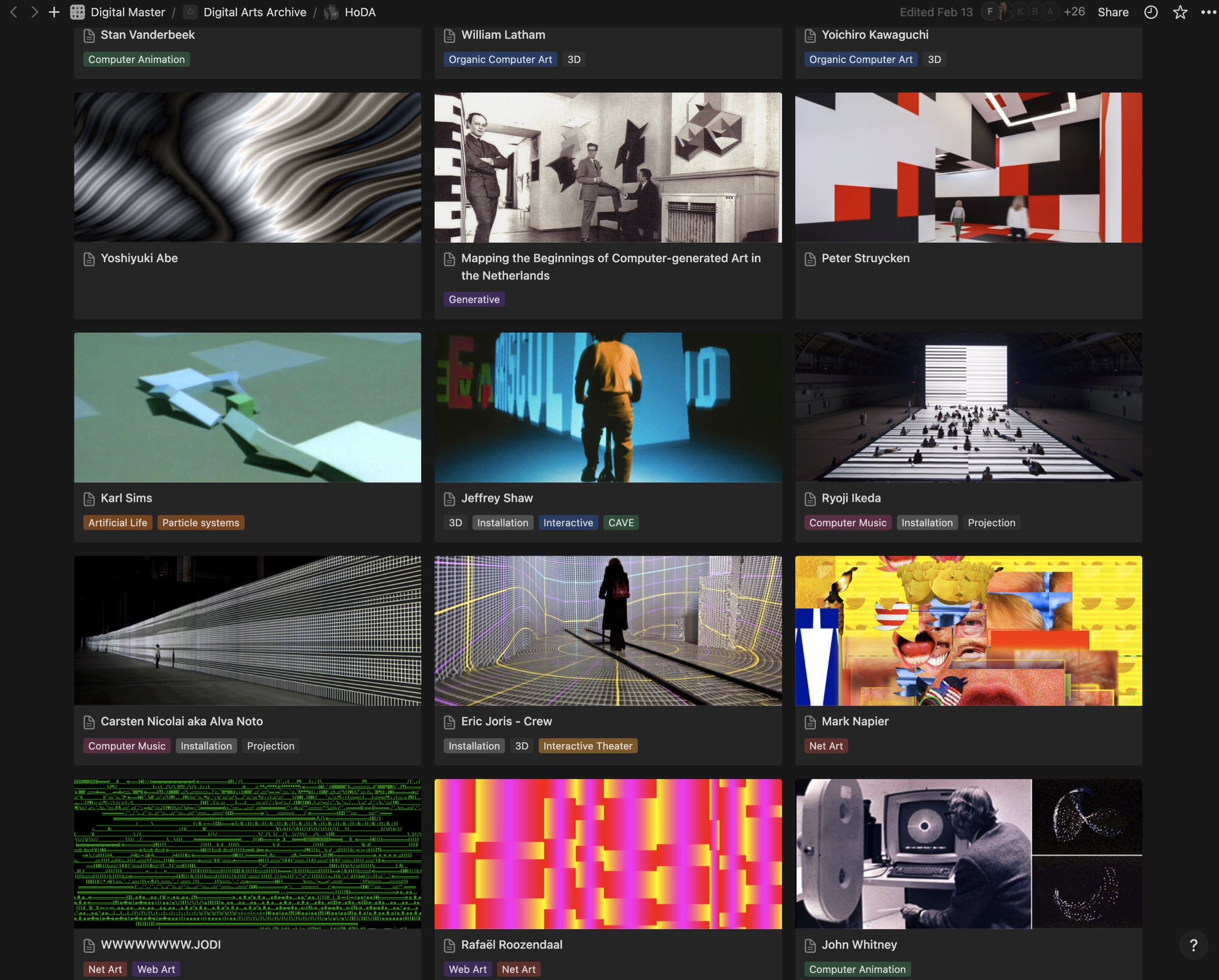
Over the years we've built a thorough digital arts archive of people, projects, organizations, books, and films — all about digital arts. It's a great place to explore when looking for inspiration, and you can search by tags when you have a specific theme in mind.
Code Space
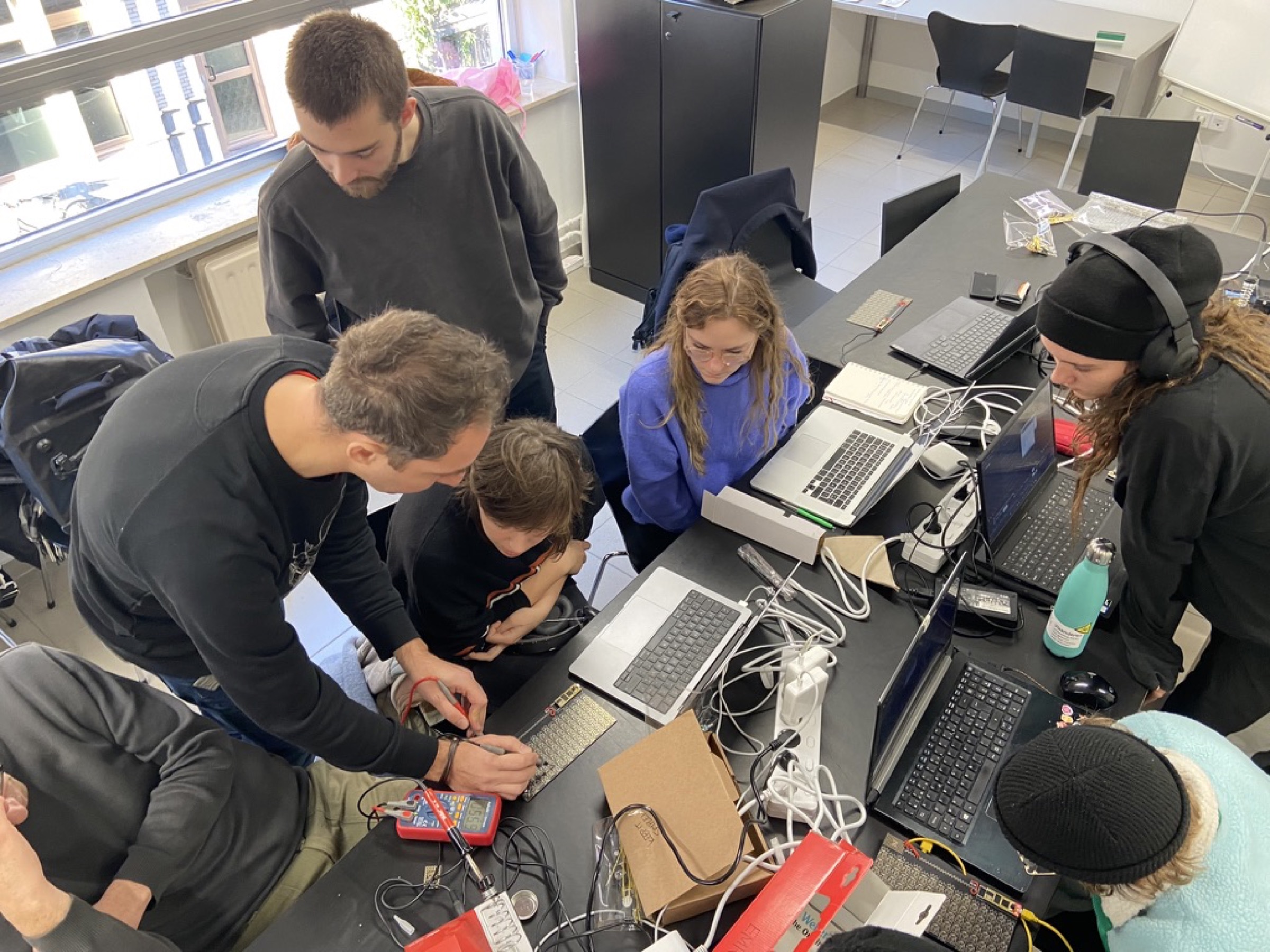
We noticed a big interest in digital projects across the school, but often a lack of technical skills to realise them. Code Space is there to fill that gap. From "simple" things like building a portfolio website in HTML, CSS, and JavaScript, to physical computing with Arduino and ESP32, to digital fabrication techniques such as laser cutting and 3D printing — Code Space helps students with all technical questions. Not just for the Master Digital Context, but for all students at Sint Lucas Antwerpen.
RAIVE Summer School
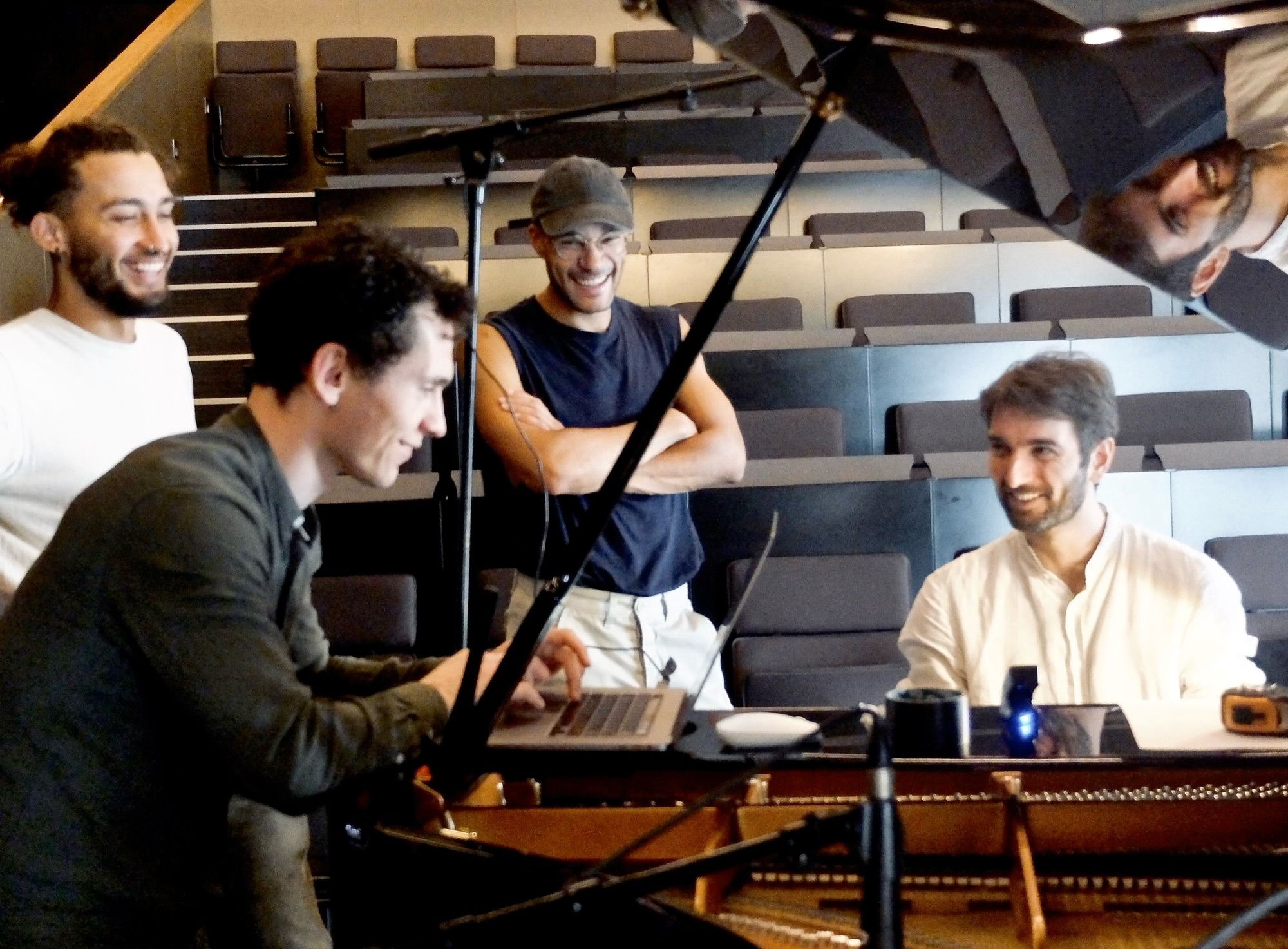
Every year we organize RAIVE, a multidisciplinary summer school focused on the creative use — and mis-use — of AI. Young artists from all disciplines come together: designers, musicians, composers, dancers, to make art together in one intensive week. It takes place at the beginning of September at the Royal Conservatory in Antwerp, and is a perfect complement to the Master Digital Context.
Interested?
If you want to build your own tools, question the role of technology in society, and create work that sits at the intersection of art, design, and code — come study with us. The Master Digital Context is a one-year English-language program at Sint Lucas Antwerpen.